Looking for something?
20 results for "mainland"
750ML Bottle
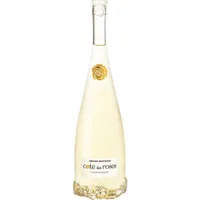
Côte des Roses celebrates the Mediterranean lifestyle. The Languedoc appellation stretches along the Mediterranean coast from the Spanish border as far as the city of Nîmes, along the foothills of the Montagne Noire and the Cévennes. The soils are highly varied, mainly with hard limestone and schist, but also gravel transported by the rivers of the Languedoc region. This wine presents a beautiful pale hue with golden hints. The nose develops notes of mango, dried fruits and hazelnut and aromas of grape fruits and orange blossom. The barrel aging brings notes of vanilla, cinnamon, fresh butter and spices. It’s long lasting finish presents a beautiful minerality.
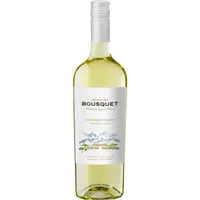
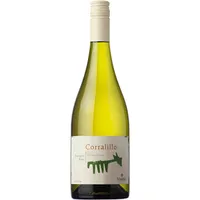
Made from organic grapes sourced mainly from vineyards in Tupungato (Uco Valley) at an altitude of 1200 meters (4000 feet) above sea level, one of the highest points in Mendoza. The wine is 100% Sauvignon Blanc, it has been fermented in stainless tanks, and then aged for 4 months in the bottle. This is a wine of bright yellow color with greenish shades. In the nose it has fresh and tropical aromas with citrus and lime notes. In the mouth it shows balance and structure. It has nice, clean, and fresh, finish showing nice crispy natural acidity till the end.
Oregon – in the Pacific Northwest of the USA – is rapidly developing into one of the world's most respected Pinot Noir regions. The state first earned a place on the international wine map in the late 1960s and has secured its position steadily ever since. Sub regions and grape varieties. Columbia Gorge and Walla Walla Valley are notable winegrowing zones in the north of the state. However, the majority of Oregon vineyards are located in state's western one-fifth, within 80 miles of the Pacific coastline. Here, a broad, shallow valley is formed between the low-lying mountains of the Coast Range and the much larger Cascades to the east. In a similar way to Burgundy, much smaller AVAs have developed within the broader zones. Thus producers can create quite lengthy portfolios of subregional Pinot Noirs. Dundee Hills, Ribbon Ridge, Chehalem Mountains and Eola-Amity Hills are four such appellations in the Willamette Valley. According to the state's industry census of 2020, 60 percent of vineyard area in Oregon is devoted to Pinot Noir. Oregon vs California. Oregon's wine industry stands in stark contrast to that of its southern neighbor. California is the long-established, dominant force of American wine, dominated by a few large companies, Oregon is a relative newcomer composed of smaller, family-run, boutique wineries. California's 150 American Viticultural Areas span 600 miles from north to south and 150 miles inland. In contrast, Oregon's 25 AVAs are all located almost exclusively in the western fifth of the state, near the Pacific coast. California's warm, sunny climate produces rich, robust wines, whereas Oregon's moist, cool climate creates finer, more delicate wines. Oregon vs Washington. There are also obvious differences between Oregon and its northern neighbor, Washington, which has around 60 percent more vineyard area. These run at a much higher average yield, producing over three times more wine. This makes Washington the USA's second most important wine region by volume. Washington wine often comes from grapes grown under contract in the state's dry, continental interior. They are then shipped to one of the numerous wineries located around Seattle. Oregon wine, by contrast, comes almost exclusively from estate grapes grown in cool, rain-refreshed vineyards relatively close to the coast. History. The earliest records of cidermaking date back to the first Century BC, when the Roman armies arrived in Britain. Recipes explaining how to make cider soon spread to other parts of the Roman Empire which, at that time, included territories all around the Mediterranean, from Tunisia to northern France and Portugal. As knowledge of distillation became more widespread, so cider-based spirits (applejack and apple brandy) began to appear. The most famous of these is French – more properly, Norman – Calvados. Production methods and styles. The fruit is harvested in autumn, traditionally by hand but now increasingly by using mechanical, tractor-like harvesters. Some producers favor maceration prior to pressing (which tends to extract more tannins from the skins) but in the main, the apply juice is extracted in a press or mill, and then begins fermentation – the conversion of sugars into alcohol (by either cultured or naturally occurring yeast). The pulp (pomace) left behind is either discarded or used for distillation. Cider production methods vary from region to region and style to style. They dictate not just the cider's alcoholic strength, but also its depth of color and whether it is clear or cloudy, still or sparkling. Alcohol levels vary considerably between ciders; most fall somewhere around 5 percent alcohol by volume (ABV), but some high-strength ciders reach 13 percent. Cider was traditionally a still, relatively dry, cloudy liquid, but modern consumers have shown a clear preference for clear, off-dry, sparkling styles. Cider regions. The most developed and one of the more historic regions for cider production is England – the British are the biggest consumers of cider per capita in the world. Southwest English counties such as Somerset, Devon and Cornwall have a long history of cider production, as does the East Anglian county of Suffolk and also Kent, in the southeast of the country. Further afield, cider is very popular in Ireland and throughout Europe, mainly in regions with a Gaelic or Celtic connection, particularly Brittany, Normandy (the home of Calvados), the Basque Country, Asturias and Galicia. In Germany, the Pfalz and Rheinhessen regions produce apfelwein alongside their regular grape-based wines. Food pairings for cider. Seared scallops. Thin-sliced octopus drizzled with sudachi (Japanese citrus).
Brilliant, subtle pink color, fine and persistent perlage. Intense, elegant, complex aromas characterized by floral and fruity notes, mainly mixed berries, currants and wild strawberries. Fresh, delicate, soft, structured, with balanced acidity and a pleasant and persistent aftertaste.
The pure and tasty choice. 100% natural. Neutral pH. Fat free. Unsweetened. Never from concentrate. Live rejuvenated! Coconut water is a gluten free beverage. Preservative free. So pure and natural. Let's be real. Not all coconut waters are created equal. Fresh from inland coconut groves of Thailand, C20 Pure Coconut Water with pulp stands tall, a tree above the rest. Our coconut water fuses a unique, full flavor profile with all of the naturally occurring electrolytes sweet Mother Nature has to offer with delicious shavings of young green coconut. Don't just hydrate, Rejuvenate! This is an all-natural product. Taste may vary. Product of Thailand.
Crisp, Tangy, and Refreshing. The citrus aroma, light airy mouthfeel, and tangy finish are this unfiltered beer’s trademarks. This is accomplished by adding whole locally grown oranges throughout the brewing process, which perfectly coalesce with the wheat and barley base. Our oranges are purchased through the Old Grove Orange company (affiliate of the non-profit Inland Orange Conservancy) whose main objectives are to save the local orange trees from disappearing, spread the word about the local citrus growing heritage, and to feed the hungry with the unutilized oranges. Please visit them at www.inlandorange.org. All we need to do to save the orange trees is to eat or drink locally grown oranges! Show Less
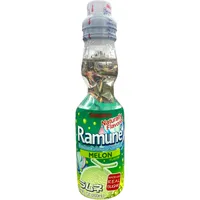
Enjoy one of the most iconic Japanese soft drinks. Ramune is mainly known for its glass bottle sealed with a marble.
Uncle Val's Botanical Gin was inspired by founder Zio Valerio's love for gardening and native Tuscan cuisine. In order to aromatise the noble juniper spirit, he mainly utilised botanical ingredients that also served him well in his kitchen.
0CT Container
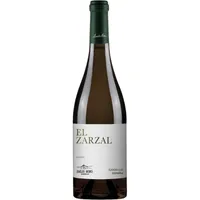
After years in Ribera del Duero, in 2013 the Moro family fell in love with the Godello variety and the region of El Bierzo. Three years later, in 2016, Bodegas Emilio Moro settled in El Bierzo determined to popularize the Godello variety and firmly commit to a winegrowing region that was in a state of growth. Today, the project boasts 3 leading wines on the market and 60 hectares of dedicated vineyards. The Bierzo region is characterized by its terraces and their steepness and varying altitude, which ranges from 450 to 1,000 meters above sea level. These characteristics all give rise to the aromatic profile and peculiarities of the Godello grape. The upper part of the mountain is pure granite, and the entire lower level is the result of an accumulation of sedimentary layers with a lot of diversity. Within the parcels it is very characteristic to find the presence of coarse elements, mainly of granitic origin, and some slate. These pieces fall and accumulate over millions of years, resulting in the soils of El Bierzo.
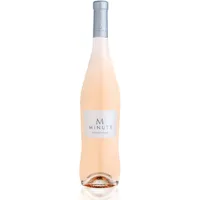
Château Minuty is the global leader of Côtes de Provence rosé. The Château Minuty estate was established in the 19th century and is managed today by the founder's grandsons, Jean-Etienne and François Matton. Minuty is the last regional estate to 100% hand harvest their grapes in order to ensure perfect quality. Minuty produces its great rosés in local wine character mainly from Grenache and Tibouren varieties. M de Minuty Rosé use sustainable farming practices free of chemicals. Château Minuty is the finest wine producer in Provence with over 80 years commitment to quality in the vineyard and the cellar.
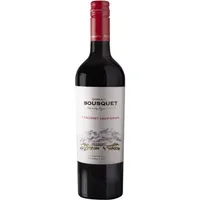
Made from certified organic grapes sourced mainly from vineyards in Tupungato (Uco Valley) at an altitude of 1200 meters (4000 feet) above sea level, one of the highest points in Mendoza. 100% Cabernet Sauvignon, fermented in stainless steel tanks to preserve its varietal typicity and to achieve a fruity and expressive character. Intense ruby red color. Fresh and clean with berry aromas and flavors. Medium body.
This lively and expressive Sauvignon comes from vines grown just ten miles inland from the Pacific Ocean. The grapes are farmed organically and hand-picked, and the vineyards' cool climate and a gravity-flow winery mean that as much as possible of the natural freshness of the fruit is retained in the wine. ‘Colour is light gold with slight tints of green. Aromas are grassy and citrusy. It is lively and expressive on the palate with the fruit turning more tropical, papaya and mango along with the citrus. Acidity is fresh and juicy; it has great volume with an elegant and balanced long finish. Very Highly Recommended.’ Billy Lyons, corkbilly.com, August 2023. The wine is kept on its lees for three months to enhance the smooth texture of this full-flavoured, rounded white that makes a perfect accompaniment for simply prepared fish dishes from sushi to ceviche, and a cleansing foil to richer recipes such as chowders.
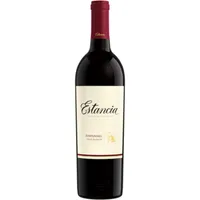
Keyes Canyon Ranches. Handcrafted. Artisan grown. Our Keyes Canyon Ranches are location in Paso Robles, 20 miles inland from the Pacific Ocean. After sunset, temperatures drop as marine fog sweeps in, lingering until dawn. These cool evening and warm days create a longer growing season, allowing grapes to ripen to perfection. We employ artisan winemaking practices such as gentle pressing and small barrel aging to craft world-class, deeply concentrated and intensely flavored wines. Estancia Zinfandel displays densely packed black raspberry, dark chocolate and cinnamon flavors followed by a long, rich finish. Alc. 13.5% by vol.